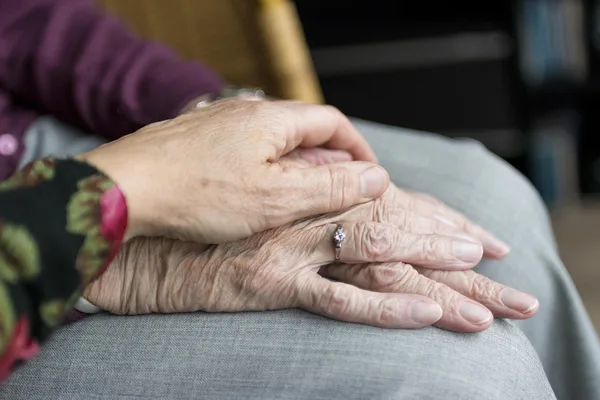
Your mother has stopped going on her morning walks. She says her back and knees 'just ache,' and she's sleeping poorly. When you suggest seeing the doctor, she shrugs: 'At my age, what do you expect?'
Many older adults believe pain is just part of getting old, so they don't mention it. But chronic pain can often be eased, and treating it can make a big difference in daily life. Here's what families should know.
What chronic pain is
Chronic pain is pain that lasts a long time, usually defined as longer than three months13. It can be constant or come and go. Sometimes it starts with an injury or illness that heals, but the pain continues. Other times it's caused by an ongoing condition such as arthritis.
Pain affects much more than the body. It can disrupt sleep, appetite and mood, make it hard to move, and lead people to withdraw from activities and friends2. In older adults, it raises the risk of falls and depression. Treating pain is about protecting your parent's quality of life.
Common causes in older adults
| Cause | Notes |
|---|---|
| Arthritis | Osteoarthritis is the most common cause of joint pain |
| Back and neck problems | Spinal stenosis, disc problems, compression fractures |
| Nerve pain | Diabetic neuropathy, pain after shingles |
| Osteoporosis | Painful fractures, especially in the spine |
| Past injuries or surgery | Pain that persists after healing |
| Cancer | Pain from the disease or its treatment |
See arthritis in the elderly, osteoporosis in the elderly and shingles in the elderly for more on these conditions.
Why older adults don't report pain
Older adults often underreport pain. Some believe it's a normal part of aging, don't want to complain, or fear what it might mean. Others worry about becoming dependent on pain medicine, or about being seen as weak. Some have trouble describing pain because of memory or communication problems2.
Ask specific questions: Where does it hurt? When is it worse? Does it keep you from sleeping or doing things you enjoy? What helps? A simple 0-to-10 pain scale, or a faces scale for someone who struggles with numbers, helps track pain over time.
Recognizing pain in a parent with dementia
People with dementia may not be able to say they're in pain. Instead, pain may show up as changes in behavior: agitation, restlessness, yelling, resisting care, crying, withdrawal, not eating, sleeping more or less, grimacing, guarding a body part, or moaning. Sometimes behavior blamed on dementia is actually untreated pain.
If your parent's behavior changes, consider pain as a possible cause and tell the doctor. Care staff can use observation-based pain scales designed for people with dementia. See dementia anger and aggression for more on behavior changes.
Talking to the doctor
Before the appointment, write down where the pain is, how bad it is, how long it's lasted, what makes it better or worse, and how it affects daily life. Bring a list of all medicines, including over-the-counter pain relievers and supplements2. Ask the doctor what's causing the pain, what treatment options exist, and what side effects to watch for. If your parent's primary doctor can't help enough, ask about seeing a pain specialist, a geriatrician or a physical therapist.
Pain medicines
Medicines can help, but they need extra care in older adults. Acetaminophen is often a first choice for mild to moderate pain, but taking too much can harm the liver. Nonsteroidal anti-inflammatory drugs like ibuprofen and naproxen can raise the risk of stomach bleeding, kidney problems and heart problems in older adults, so ask before using them regularly. Topical creams and patches can help with localized pain with fewer side effects.
Stronger medicines, including opioids, may be used for severe pain, but they can cause drowsiness, constipation, confusion and falls, and carry a risk of dependence. Some nerve pain medicines can cause dizziness. Always review pain medicines with the doctor and pharmacist, especially if your parent takes several other drugs; see polypharmacy in the elderly.
Movement and physical therapy
It may seem backwards, but staying active often reduces chronic pain. Gentle exercise, like walking, swimming, water aerobics, tai chi and stretching, can improve strength, flexibility and mood2. A physical therapist can design a safe program and teach exercises your parent can do at home. Medicare Part B covers outpatient physical therapy when medically necessary. Start slowly and build up. Some soreness at first is normal, but sharp or worsening pain is a reason to stop and check with the therapist.
Other approaches
Many approaches beyond medicine can help: heat or cold packs, massage, acupuncture, relaxation and breathing exercises, and cognitive behavioral therapy, which helps people change how they think about and cope with pain2. Medicare covers up to 12 acupuncture treatments in 90 days for chronic low back pain, with up to 20 in a year if your parent improves4. Assistive devices like canes, braces or supportive shoes can ease strain on painful joints; see durable medical equipment and Medicare.
Simple comforts matter too: a supportive chair, a firm mattress, a warm bath, enjoyable distractions, and time with people they love.
Pain, sleep and mood
Pain and poor sleep feed each other: pain makes it hard to sleep, and lack of sleep makes pain feel worse. Pain and depression often go together as well. Treating one can help the other. Tell the doctor if your parent is sleeping poorly, seems down or has lost interest in things they enjoy. See depression in the elderly and anxiety in the elderly. Avoid over-the-counter sleep aids without asking the doctor, since many can cause confusion in older adults.
Medicare coverage for pain management
Medicare Part B covers chronic pain management and treatment services for people with chronic pain, meaning persistent or recurring pain lasting longer than three months1. Services can include pain assessment, medication management, and care coordination and planning, and they're covered monthly1. After the Part B deductible, your parent pays 20 percent of the Medicare-approved amount1. Ask the doctor whether they offer this service.
Part B also generally covers doctor visits, physical therapy and some other treatments for pain. Part D drug plans cover many pain medicines. Check your parent's plan formulary; see Extra Help with Part D if drug costs are a strain.
Pain and safety at home
Pain can make it hard to move safely. Your parent may avoid stairs, skip baths or have trouble getting out of a chair. Pain medicines can also cause dizziness and drowsiness. Both raise the risk of falls. Grab bars, a shower chair, good lighting and removing tripping hazards help; see fall prevention for the elderly. Make sure your parent can reach things without bending or climbing.
Pain at the end of life
For people with serious illnesses, comfort becomes the focus. Palliative care specialists are experts in managing pain and other symptoms at any stage of a serious illness, and hospice provides comfort care at the end of life. See hospice vs. palliative care. Families should never feel they have to choose between comfort and care.
Keeping a pain diary
A pain diary gives the doctor something concrete to work with. Each day, write down the pain level morning and evening, where it hurt, what your parent was doing, what medicine they took and when, and whether it helped. Note sleep, mood and activity too. After a week or two, patterns often appear: pain that's worse in the morning, after a certain activity, or when a dose wears off. Bring the diary to appointments. If your parent has memory problems, you or a caregiver may need to keep it, based on what you observe.
The diary also helps you judge whether a new treatment is working, so you can tell the doctor with confidence rather than relying on memory.
Setting realistic goals
For many older adults with chronic pain, the goal isn't zero pain but less pain and more of the life they want. Ask your parent what matters most: walking to the mailbox, gardening, sleeping through the night, playing with grandchildren. Share those goals with the doctor. A treatment plan built around specific activities is easier to measure and often more motivating than a pain number alone. Celebrate small gains, and expect setbacks on some days.
Be careful not to take over everything your parent finds hard. Doing less can lead to weaker muscles and more pain over time. Help your parent pace activities instead, breaking chores into smaller pieces with rests in between.
Supporting a parent in pain
Watching a parent hurt is stressful, and chronic pain can make anyone irritable. Be patient, believe what your parent tells you about their pain, and help them stick with treatment. Take care of yourself too, and accept help from others; see caregiver burnout.
An example
Carol's mother had knee arthritis and had stopped her walks. Carol helped her keep a pain diary for two weeks and brought it to the doctor. The doctor suggested regular acetaminophen at a safe dose, a topical cream and physical therapy. The therapist taught her strengthening exercises and recommended a cane. Two months later, her mother was walking around the block again and sleeping better. This is an illustration; treatment depends on your parent's health and the cause of pain.