Your mother has gotten shorter. Her back is more rounded than it used to be, and last winter she broke her wrist catching herself on the ice. Her doctor never mentioned bones. These can all be signs of osteoporosis, and they're worth raising at her next visit.
This guide uses information from the National Institute of Arthritis and Musculoskeletal and Skin Diseases (NIAMS), the U.S. Preventive Services Task Force and Medicare. It's general information, not medical advice.
What osteoporosis is
Osteoporosis is a bone disease that develops when bone density and bone mass decrease, or when the structure and strength of bone change, raising the risk of fractures1. It's often called a "silent" disease because people typically have no symptoms and may not know they have it until they break a bone1.
It is the major cause of fractures in postmenopausal women and older men1. Fractures can happen in any bone, but most often in the hip, the spine and the wrist1. Bones can become so fragile that they break from a fall from standing height, or from everyday stresses like bending, lifting or even coughing1. Joint pain is a different problem; see arthritis in the elderly.
Signs families might notice
Because osteoporosis itself is silent, the clues are usually the results of it. A fracture in the spine can cause severe back pain, a loss of height, or a stooped or hunched posture1. Some spinal fractures happen without a clear injury, so sudden back pain in an older parent deserves a call to the doctor.
- Height loss. Your parent seems shorter, or clothes fit differently.
- A rounded upper back. A forward stoop that's getting worse.
- A fracture from a minor fall. Such as a wrist broken by catching a fall from standing1.
- New back pain. Especially if it came on suddenly.
Who is at risk
Osteoporosis can happen at any age, but risk rises as people get older, because bone loss speeds up and new bone grows more slowly1. NIAMS lists these risk factors1:
- Sex. Women have lower peak bone mass and smaller bones. Men are still at risk, especially after 70.
- Age. Risk increases over time.
- Body size. Slender, thin-boned people have less bone to lose.
- Race and ethnicity. White and Asian women are at highest risk, though all groups are at risk.
- Family history. A parent with osteoporosis or a hip fracture.
- Hormone changes. Low estrogen after menopause, or low testosterone in men.
- Diet. Low calcium and vitamin D, excessive dieting or poor protein intake.
- Medicines. Such as glucocorticoid steroids and some cancer drugs.
- Other conditions. Including some hormonal and digestive diseases and rheumatoid arthritis.
Many men assume osteoporosis is a women's disease, so they're less likely to be tested1. If your father has had a fracture from a minor fall or takes steroids, ask whether he should be checked. Fractures can lead to lasting pain; see chronic pain in the elderly.
Screening and the bone density test
The U.S. Preventive Services Task Force recommends screening for osteoporosis in women 65 and older, and in younger postmenopausal women at increased risk2. It found the evidence insufficient to make a recommendation for or against screening men, and says clinicians should use their judgment2.
The most common test is dual-energy x-ray absorptiometry (DXA), which measures bone density, usually at the hip and spine4. NIAMS describes it as quick, painless and noninvasive: your parent lies on a cushioned table while a scanner passes over4.
Medicare Part B covers bone mass measurements once every 24 months, or more often if medically necessary, for people who meet certain conditions3. These include a woman whose doctor determines she is estrogen-deficient and at risk, X-rays that show possible osteoporosis or spine fractures, taking steroid-type drugs, primary hyperparathyroidism, or monitoring osteoporosis drug treatment3. Your parent pays nothing if the provider accepts assignment3. The Annual Wellness Visit is a good time to ask.
Treatment
The goals of treatment are to slow or stop bone loss and prevent fractures4. A care plan may include proper nutrition, lifestyle changes, exercise, fall prevention and medicines4. If another condition or a medicine is causing bone loss, the doctor may treat that cause or adjust the medicine4.
Several kinds of prescription medicines are used to slow bone loss or build bone. They come as pills, injections or infusions, on different schedules. Some pills must be taken in a specific way, such as on an empty stomach while sitting upright, which can be hard for a parent with memory problems. Ask the doctor which option fits your parent's routine and other health conditions, and how long treatment should last.
Calcium, vitamin D and protein
NIAMS recommends a balanced diet with plenty of fruits and vegetables and foods that supply calcium, vitamin D and protein4. If the body doesn't get enough calcium, it takes calcium from the bones4. Vitamin D is needed to absorb calcium4.
Good sources of calcium include low-fat dairy, dark leafy greens such as collards and bok choy, broccoli, canned sardines and salmon with bones, and calcium-fortified foods4. Ask the doctor before starting supplements, since needs vary and some interact with medicines. If your parent isn't eating enough, see when an elderly parent isn't eating.
Exercise that helps
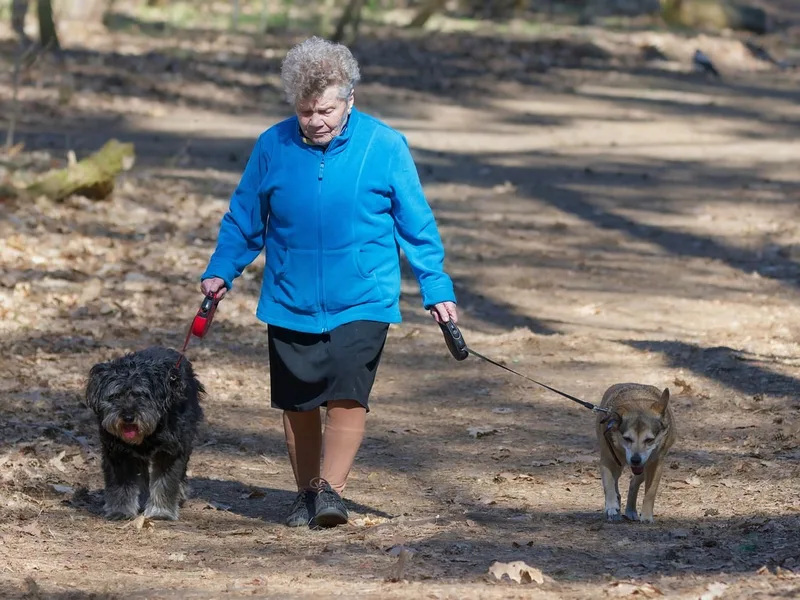
Staying active with weight-bearing exercise such as walking helps protect bones1. Strength and balance exercise also lowers the chance of falling. A physical therapist can design a safe routine, especially for someone who has already had a spine fracture, since some movements, like deep forward bending, may not be advised.
Moderate drinking and not smoking also help bone health1. If your parent has been inactive for a while, start small: a few minutes of walking each day, sitting-to-standing practice from a sturdy chair, and gradually more as strength returns. Consistency matters more than intensity.
Preventing falls is preventing fractures
For a parent with fragile bones, the best way to avoid a fracture is to avoid the fall. NIAMS includes fall prevention as part of osteoporosis treatment4.
- Make the home safer. Good lighting, grab bars, no loose rugs and clear paths. See home modifications for the elderly.
- Review medicines. Some cause dizziness or drowsiness5.
- Check eyes and feet. Updated glasses and sturdy shoes help.
- Have a way to call for help. See medical alert systems.
Our full guide to fall prevention for elderly parents goes step by step.
After a fracture
A fracture from a minor fall is a strong sign of osteoporosis and of higher risk for more fractures. The USPSTF notes that osteoporotic fractures are associated with loss of independence and reduced ability to do daily activities, and that only 40 to 60 percent of people who break a hip regain their prior mobility and independence in daily activities2. After any fracture, ask whether your parent has been evaluated and treated for osteoporosis, not just for the broken bone.
Recovery often includes rehab and sometimes a short nursing facility stay. See hip fracture recovery in the elderly and hospital discharge planning.
How families can help
- Ask about screening. Especially for a mother 65 or older, or any parent with a past fracture, height loss or long-term steroid use2.
- Help with the medicine routine. Put the schedule on a calendar and make sure any special instructions are followed.
- Support daily movement. Walk together, or find a senior exercise class.
- Check the house for fall risks. Fix one thing each visit.
- Watch for back pain or height loss. Report them to the doctor.
Questions to ask the doctor
- Should my parent have a bone density test, and when was the last one? Medicare's 24-month rule applies to covered scans3.
- Do any current medicines weaken bone or raise fall risk? Steroids are one example1.
- Which treatment fits my parent's routine? Ask how each is taken and how often.
- Is calcium or vitamin D needed beyond diet? And in what amount.
- Would physical therapy help with strength and balance? Especially after a fracture.
- What should we watch for? New back pain, height loss or a fall.
Bring a list of every medicine and supplement, and write down the answers.
Bones in assisted living and nursing homes
If your parent lives in assisted living or a nursing home, bone health still needs attention. Ask how the community handles fall prevention, whether residents are helped to walk every day, and how staff manage medicines that must be taken in a particular way. Ask whether staff are told about a resident's fracture risk, and what happens after a fall. In a nursing home, bring these up at the care plan meeting. A parent who is mostly in bed or a wheelchair loses bone and muscle faster, so even short daily walks or standing exercises with help can matter.
An example
Dolores, 78, broke her wrist slipping on a wet floor. At her follow-up, her daughter asked whether she'd ever had a bone density test. She hadn't. A DXA scan showed osteoporosis, and her doctor started treatment and referred her to physical therapy for balance. Her daughter added grab bars and a night-light in the bathroom. This is an illustration; treatment depends on each person's health.
Next steps
Ask your parent's doctor about bone health at the next visit, and whether a bone density test is due. If your parent needs more help at home after a fracture, our home care guide and the care quiz can help you weigh options.