Your mom didn't have a cough, and her temperature was normal. But one morning she was too weak to get out of bed and didn't know what day it was. At the emergency room, a chest X-ray showed pneumonia. You're shaken, because nothing about it looked like the pneumonia you'd heard about.
Pneumonia is an infection that inflames the air sacs in one or both lungs, which can fill with fluid67. Older adults and people with serious health conditions are more likely to have serious pneumonia or life-threatening complications1, and their symptoms can be easy to miss. This guide explains what families should watch for and how to help a parent recover. It's general information. Always follow your parent's care team.
What pneumonia is and what causes it
Pneumonia happens when germs such as bacteria, viruses or fungi get into the lungs and cause infection. The immune system fights back, causing inflammation that can fill the air sacs with fluid and pus7. Bacteria are a common cause in adults, and pneumococcus is the most common bacterial cause in the United States7. Viruses such as flu and COVID-19 can also cause pneumonia.
Pneumonia can start at home, in the hospital, or in a nursing home. It can also follow another illness, such as the flu. Older adults are more vulnerable because the immune system weakens with age and many have other health problems such as COPD, heart failure or diabetes. If your parent has a lung condition, see end-stage COPD and congestive heart failure. Ask about other vaccines too, such as for shingles; see shingles in the elderly.
Symptoms of pneumonia in older adults
Typical symptoms include1:
- Cough, with or without mucus.
- Fever and chills.
- Shortness of breath.
- Chest pain when breathing or coughing.
- Low oxygen levels on a pulse oximeter.
- Extreme tiredness, headache, muscle aches, nausea, vomiting or diarrhea.
But older adults, and people with serious illnesses or weakened immune systems, may not have typical symptoms. They may have a lower-than-normal temperature instead of a fever, or may feel weak or become suddenly confused1. Other clues families notice include a drop in appetite, a new fall, or not being able to do usual tasks. For the full list of recommended shots, see vaccines for seniors.
Sudden confusion has many causes in older adults. See UTIs in older adults and dehydration, two other common culprits.
When to get help
Call the doctor the same day for a new cough with fever, increasing tiredness, mild confusion or weakness, poor eating or drinking, or a cough that gets worse instead of better after a cold or flu. In older adults, it's better to call early. Pneumonia can lead to serious problems such as sepsis, which needs emergency care. See sepsis in older adults.
How pneumonia is diagnosed
The doctor listens to the lungs for crackling or other abnormal sounds and checks oxygen levels3. A chest X-ray is the usual test to confirm pneumonia, and blood tests, sputum tests or a CT scan may be added3. Tests for flu or COVID-19 may help guide treatment.
Tell the doctor about your parent's usual level of thinking and activity. If your parent is normally sharp and independent, sudden confusion or weakness is an important clue that something is wrong, even when the cough is mild. Bring a current medicine list and mention any recent hospital stays or antibiotics, since these affect which germs are likely3.
How pneumonia is treated
Treatment depends on the cause and how sick your parent is8. Bacterial pneumonia is treated with antibiotics. Viral pneumonia may be treated with antiviral medicine in some cases, along with rest and fluids. Some people can be treated at home. Others need a hospital stay for oxygen, fluids or IV medicines, especially older adults with other health problems8.
If your parent is treated at home, make sure they take every dose of antibiotic until it's gone, even after they feel better. Stopping too soon can let the infection return2. Ask the doctor which symptoms should prompt a call back, and arrange a follow-up visit.
Aspiration pneumonia and dementia
Aspiration pneumonia happens when food, liquid, saliva or vomit is breathed into the lungs. Risk factors include old age, swallowing problems, being less alert because of illness or medicines, a weak gag reflex after a stroke, and eating or being fed while not upright3. Being in the hospital also raises the risk3.
People with advanced dementia, Parkinson's or a past stroke are at special risk because swallowing becomes harder over time. Signs include coughing or choking at meals, a wet-sounding voice after eating, and repeated chest infections3. A speech therapist can assess swallowing and suggest safer textures and positions. See dysphagia in the elderly for warning signs and safer mealtimes.
- Sit fully upright to eat and for at least 30 minutes after.
- Offer small bites and sips, and don't rush.
- Keep the mouth clean with regular tooth brushing and denture care.
- Ask the doctor about medicines that cause drowsiness.
Repeated aspiration pneumonia can be a sign of late-stage illness. See end-of-life signs in dementia and hospice for dementia.
Pneumonia recovery in older adults
Recovery takes time. Some people feel better and return to normal routines in one to two weeks, while others take a month or longer, and most people continue to feel tired for about a month2. Older adults often take longer and may lose strength during the illness. Even a week in bed can weaken leg muscles, so getting up and moving a little each day, with help, matters. Some people also feel low or anxious after a serious illness. Mood usually improves as strength returns, but tell the doctor if sadness lingers. See depression in older adults.
- Finish all medicines. As prescribed2.
- Eat well and drink fluids. Good nutrition and hydration help the body recover2.
- Rest, then rebuild. Short walks and gentle activity as the doctor allows.
- Avoid alcohol and smoking. Both slow recovery and raise the risk of complications2.
- Watch for warning signs. Worsening breathing, fever returning or new confusion mean a call to the doctor.
- Prevent falls. Weakness after illness raises fall risk. See fall prevention.
If your parent needs help at home after a hospital stay, see hospital discharge planning, does Medicare pay for home health care and home care vs. home health. Some older adults need a short skilled nursing stay to regain strength. See skilled nursing facility vs. nursing home.
Caring for your parent at home during pneumonia
If your parent is treated at home, someone should check on them several times a day at first, and ideally stay with them during the worst days. Practical help makes a big difference:
- Set up a medicine schedule and check off each antibiotic dose.
- Keep water, broth or other fluids within reach and encourage sips throughout the day.
- Offer small, easy meals, since appetite is often poor.
- Help your parent sit up and change position, and take a few slow, deep breaths each hour while awake.
- Use a pulse oximeter if the doctor recommends one, and write down readings.
- Keep a night light on and a clear path to the bathroom to prevent falls.
Write down temperature, breathing, eating and alertness each day, so you can tell the doctor whether your parent is improving. Share the log with siblings or other helpers so everyone notices changes quickly and acts on them.
Pneumonia in nursing homes and assisted living
Residents of nursing homes and assisted living are at higher risk because of age, chronic illness, swallowing problems and close contact with others. Ask how staff watch for early signs such as new confusion, poor eating or a drop in oxygen, and how quickly a nurse or doctor is called. In a nursing home, ask how the care plan will change after a pneumonia, for example with swallowing assessments or more help at meals. See nursing home care plan meetings.
Lowering the risk of pneumonia
- Vaccines. Medicare Part B covers pneumococcal shots and a yearly flu shot45. Ask the doctor which other vaccines, such as COVID-19 and RSV, are recommended for your parent9.
- Good hygiene. Regular handwashing for your parent and visitors9.
- Oral care. Brushing teeth and cleaning dentures daily.
- Not smoking. Smoking damages the lungs' defenses9.
- Managing health conditions. Keeping diabetes, heart and lung disease under control9.
- Staying active. Moving and taking deep breaths, especially after surgery or illness.
In nursing homes and assisted living, ask how staff prevent infections, handle vaccines and watch for early signs of illness. See how to choose a nursing home.
If your parent is in the hospital
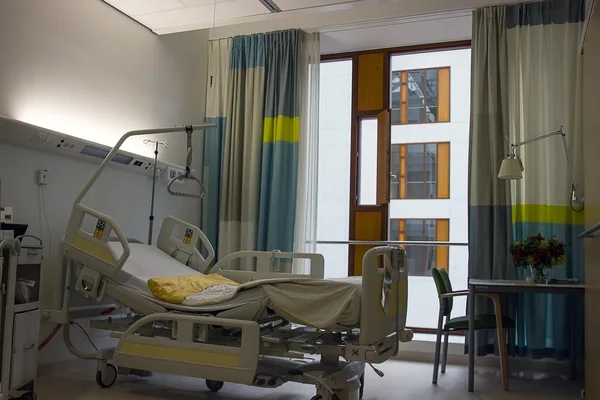
Hospital stays can be hard on older adults. Delirium, weakness and falls are common. Visit often, bring glasses and hearing aids, and encourage your parent to sit up and walk when allowed. Ask whether your parent is an inpatient or under observation, since that can affect Medicare coverage for rehab afterward. See Medicare observation status.
Questions to ask the doctor
- What's causing the pneumonia, and which medicine is best?
- Is it safe to treat at home, or does my parent need the hospital?
- What signs mean we should call you or go to the emergency room?
- How long should recovery take, and when should we follow up?
- Could swallowing problems be a factor, and should a speech therapist check?
- Which vaccines does my parent still need?
Planning ahead
For frail older adults or those with advanced illness, a serious pneumonia can be a turning point. It's a good time to talk with your parent and their doctor about goals of care, what treatments they would want if they became very sick again, and whether palliative care could help10. Put wishes in writing with an advance directive11. See hospice vs. palliative care.